








































People celebrate Diwali on the 15th day of the month of Kartik in the Hindu lunar calendar. Although it is the darkest night of the year, countless diyas and coloured lights illuminate the night, symbolising the inner light that protects us from spiritual darkness. The celebration lasts for five days, with each day having its own significance and rituals.
In 2024, Diwali will be celebrated on November 1st. However, according to the Hindu calendar and Drik Panchang, Chhoti Diwali and Laxmi Puja will be celebrated on October 31.
Diwali 2024: Key Dates and Auspicious Times
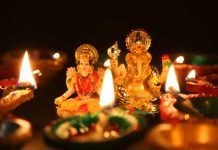
Diwali involves specific rituals, performed during shubh muhurat. People schedule Lakshmi Puja to receive Goddess Lakshmi’s blessings for prosperity.
For Diwali 2024, the auspicious times are:
- Lakshmi Puja Muhurat: 6:52 pm to 8:41 pm on October 31
- Pradosh Kaal: 6:10 pm to 8:52 pm
- Vrishabha Kaal: 6:52 pm to 8:41 pm
- Amavasya Tithi Begins: 6:22 am on October 31
- Amavasya Tithi Ends: 8:46 am on November 1
These timings are essential for those who strictly follow the tradition of performing Lakshmi Puja during the most spiritually powerful hours of the day.
Diwali 2024: Full Festival Calendar
Diwali is not just a one-day celebration. It lasts for five days, with each day dedicated to different rituals and aspects of Hindu mythology. Here is the complete Diwali 2024 calendar:
- October 29 – Dhanteras:
Dhanteras marks the beginning of Diwali. People worship Goddess Lakshmi and Lord Kubera for prosperity and success. It is considered an auspicious day to buy gold, silver, or new utensils, symbolizing the welcoming of wealth. - October 31 – Choti Diwali (Narak Chaturdashi):
Chhoti Diwali, or Narak Chaturdashi, is celebrated a day before the main Diwali festival. It marks Lord Krishna’s victory over the demon Narakasura. People clean their houses and apply ubtan (a mixture of herbs and oils) before bathing to purify their body and soul. - October 31 – Diwali and Lakshmi Puja:
The third day is the most important, celebrated as Diwali. It focuses on Lakshmi Puja, where people worship Goddess Lakshmi for wealth and prosperity. Homes are decorated with diyas, candles, and rangoli, creating a bright atmosphere. Fireworks light up the sky, symbolizing the victory of light over darkness. Lakshmi Puja is performed during Pradosh Kaal and Vrishabha Kaal, the most favorable times for blessings. - November 2 – Govardhan Puja:
The fourth day, Govardhan Puja or Annakoot, honors Lord Krishna for lifting Mount Govardhan to protect Vrindavan’s inhabitants from Indra’s wrath. Devotees prepare food offerings to thank Lord Krishna for his protection. - November 3 – Bhai Dooj:
The fifth and final day of Diwali, Bhai Dooj, celebrates the bond between brothers and sisters. Sisters pray for their brothers’ long life and prosperity, while brothers give gifts and promise to protect their sisters from any harm. It is a day of love, affection, and strengthening family ties.
Significance of Diwali
Diwali has great cultural and religious significance for Hindus. Families come together to pray for prosperity, celebrate Lord Rama’s return to Ayodhya, and light diyas symbolizing hope.
Apart from the mythological aspects, people also associate Diwali with Goddess Lakshmi, the goddess of wealth and prosperity. Hindus believe that by worshiping her on Diwali, they invite her blessings into their homes and businesses for the coming year.