










































Screen time has become an unavoidable part of our daily lives. From working on computers, browsing smartphones, streaming videos, and even playing video games, people are constantly exposed to screens. While the digital age has brought immense convenience and connectivity, it has also raised significant health concerns, especially related to eye health. Excessive and prolonged screen time is associated with several eye problems that can lead to long-term complications.
This blog delves deep into the dangers of prolonged screen time on eye health, the symptoms associated with digital eye strain, and how individuals can prevent damage by maintaining healthy screen habits.
The Link Between Screen Time and Eye Health
The human eye is not designed to stare at a screen for long periods of time. Our eyes need to adjust to different distances, natural light, and a variety of tasks throughout the day. With the modern lifestyle, where screens are used frequently and for long periods of time, these natural patterns are disrupted. As a result, this excessive exposure to screens leads to digital eye strain and many other problems.
The term digital eye strain (also known as computer vision syndrome) refers to a group of eye and vision problems caused by prolonged use of digital devices. According to studies, more than 60% of Americans experience some form of digital eye strain, with symptoms ranging from discomfort to long-term eye damage.
Dangers of Long-Term Screen Time on Eye Health
1. Digital Eye Strain (Computer Vision Syndrome)
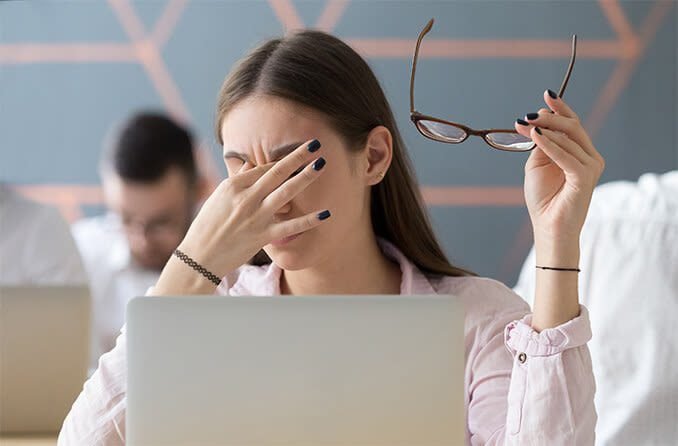
The most immediate effect of prolonged screen time is digital eye strain, a condition that includes a variety of symptoms:
- Eye fatigue: Feeling tired or strained eyes after extended use of a screen.
- Blurred vision: Difficulty focusing clearly on the screen or objects in the distance after staring at a screen for too long.
- Dry eyes: People tend to blink less frequently when looking at screens, leading to inadequate lubrication of the eyes.
- Headaches: Extended screen time can strain the eye muscles, often leading to tension headaches or migraines.
- Neck and shoulder pain: While not directly related to the eyes, poor posture while using screens can exacerbate eye strain and lead to physical discomfort.
2. Increased Risk of Myopia (Nearsightedness)
Spending too much time on screens, especially in children and young adults, is associated with an increased risk of myopia, or nearsightedness. Myopia occurs when the eye becomes elongated due to prolonged close-up work, such as reading from a screen. Studies show that myopia rates are increasing globally, and many experts believe prolonged screen use is one of the causes.
This risk is particularly worrisome for children and teens, as their eyes are still developing. Looking at screens for long periods of time without breaks can cause irreversible changes in the shape of the eye, increasing the likelihood of needing corrective lenses.
3. Blue Light Exposure and Retinal Damage
Digital devices emit blue light, which can be harmful to the eyes over time. Blue light has a short wavelength and high energy, meaning it can penetrate deep into the eye and potentially damage the retina. Although research is ongoing, long-term exposure to blue light from screens may increase the risk of developing age-related macular degeneration (AMD), a condition that can cause permanent vision loss.
4. Sleep Disruption
Spending too much time on screens, especially in the evening, disrupts sleep due to the blue light emitted by screens. Blue light suppresses the production of melatonin, a hormone responsible for regulating the sleep-wake cycle. This leads to difficulty falling asleep, poor sleep quality, and overall fatigue.
Frequent sleep disruptions can indirectly affect eye health, as proper rest is essential for the body’s ability to repair and maintain healthy eyes.
5. Eye Irritation and Dryness
Staring at a screen for long periods of time reduces the blink rate, which leads to dry and irritated eyes. Blinking is a natural process that keeps the eyes moist and clean. When we focus on a screen, our blink rate slows down significantly, which means the eyes are not getting the lubrication they need. Over time, this can cause discomfort, redness, and a feeling of grittiness in the eyes.
Symptoms of Long-Term Screen Use on Eye Health
Although the risks to eye health from prolonged screen use are clear, it is important to recognise the symptoms early. Common symptoms associated with digital eye strain include:
- Sore or irritated eyes.
- Trouble focusing.
- Increased sensitivity to light.
- Difficulty keeping the eyes open.
- Watery or excessively dry eyes.
- Neck, shoulder, or back pain related to poor posture during screen use.
If these symptoms persist or worsen, it is advisable to visit an eye care professional for a comprehensive eye examination.
Tips to Prevent Eye Damage from Screen Time
While it may be difficult to completely eliminate screen use from daily life, there are several strategies that can help reduce the risk of eye damage:
- Follow the 20-20-20 rule
The 20-20-20 rule is a popular way to reduce eye strain. Every 20 minutes, take a 20-second break and look at something 20 feet away. This gives your eyes a chance to refocus and relax.
- Adjust screen brightness and position
Make sure your screen brightness matches the surrounding environment. A screen that is too bright or too dim can cause strain. Also, positioning your screen so that it is slightly below eye level can reduce eye and neck strain. - Use a blue light filter
Consider using a blue light filter on your device, especially if you spend a lot of time on screens in the evening. These filters reduce blue light exposure and may help reduce the risk of sleep disruption and retinal damage. - Maintain a proper distance from the screen
Keeping your screen at least an arm’s length away from your face can reduce strain. For larger screens like television, sit even further back. - Take regular breaks
In addition to the 20-20-20 rule, it’s important to take long breaks from screens throughout the day. Step away from your device for at least 5-10 minutes every hour. - Stay hydrated and blink frequently
Drink plenty of water and consciously blink when using a screen. This helps keep your eyes moist and prevents dryness.
FAQs
Are blue light glasses helpful in reducing eye strain?
Blue light glasses can help reduce the amount of exposure to blue light, especially for those who spend long hours in front of screens. However, they are not a substitute for taking regular breaks.
Can screen use cause permanent eye damage?
Although digital eye strain is usually temporary, excessive and prolonged screen use, especially without preventive measures, can lead to conditions such as myopia and increase the risk of retinal damage over time.
How much screen time is considered too much?
There is no set limit, but experts recommend limiting screen time for recreation to two hours per day for children and ensuring regular breaks for both children and adults.
Is it safe to use screens before bedtime?
It is best to stay away from screens at least 30-60 minutes before bedtime to prevent sleep disruption caused by blue light exposure.