







































Ganesh Chaturthi, one of the most celebrated Hindu festivals, is dedicated to Lord Ganesha, the elephant-headed deity worshiped as the remover of obstacles, the god of wisdom, and the patron of arts and sciences. This year, Ganesh Chaturthi falls on September 7, 2024, and is a day of joy, devotion, and unity for millions of devotees across the world. The festival is celebrated with great enthusiasm especially in Maharashtra, Goa, Karnataka, and Tamil Nadu, but its popularity extends far beyond these regions.
In this blog we will discuss the significance of Ganesh Chaturthi, the rituals associated with it, and how you can celebrate this divine festival at home and in your community.
The Significance of Ganesh Chaturthi
Ganesh Chaturthi is the celebration of the birth of Lord Ganesha, the son of Lord Shiva and Goddess Parvati. According to Hindu mythology, Lord Ganesha is believed to be the embodiment of intelligence, prosperity and wisdom. His presence is invoked before the start of any new venture, ritual or celebration to ensure success and remove any obstacles that come in the way.
The festival is celebrated on the fourth day (Chaturthi) of the Hindu month of Bhadrapada, which usually falls between August and September. The birth story of Lord Ganesha, like many Hindu myths, is very symbolic. His elephant head symbolizes wisdom, his large ears symbolize the ability to listen carefully, and his small mouth reminds us to speak less and absorb knowledge.
Ganesh Chaturthi is not only a spiritual occasion but also a time for families and communities to come together, celebrate and foster a sense of unity. It is said that celebrating this festival brings happiness, prosperity and removes negativity from a person’s life.
How to Celebrate Ganesh Chaturthi: Key Rituals and Traditions
Ganesh Chaturthi celebrations vary from region to region, but there are several core rituals and traditions that remain the same. Whether you’re celebrating at home or attending a public event, here’s how the festival is traditionally celebrated:
1. Preparing for the Arrival of Lord Ganesha
In the days before Ganesh Chaturthi, devotees clean and decorate their homes or temples to prepare for the arrival of Lord Ganesha. People create a festive atmosphere with colorful rangolis (intricate patterns made with colored powder), flowers, and lights. They decorate the mandap, the place where the idol of Lord Ganesha is installed, making it the focal point of the celebrations.
2. Bringing Home the Idol of Lord Ganesha
One of the most important traditions of Ganesh Chaturthi is bringing home a clay idol of Lord Ganesha, which symbolizes his presence in the home. The size of the idol can range from a few inches to several feet, depending on the preference of the family or community.
Devotees either buy the idol or make it themselves using eco-friendly materials. This practice reflects the core values of the festival – humility, devotion and respect for nature. People usually bring the idol home with great fanfare, accompanied by music, chants of “Ganpati Bappa Morya,” and a spirit of devotion.
3. Pran Pratishtha (Invoking Lord Ganesha)
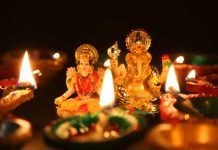
The festival begins with the ritual of Prana Pratishtha, where a priest or the head of the household offers prayers to invoke the divine presence in the idol of Lord Ganesha. The ceremony involves chanting mantras, offering flowers and lighting oil lamps. Devotees believe that Lord Ganesha accepts the invitation to reside in their homes during the festival.
After pranapratishtha, the family offers daily prayers (aarti) and offerings to Lord Ganesha. The daily ritual, which continues for 1.5, 5, 7 or 11 days depending on the tradition, includes singing devotional songs, performing aarti (a ritual of worship with lighting) and offering food items such as modakas (Lord Ganesha’s favorite sweet fritters).
4. Offering Modak and Other Prasadam
These sweet dumplings filled with jaggery and coconut, known as modaks, are believed to be the favorite food of Lord Ganesha. Devotees also offer laddus, fruits and flowers in front of the idol. After the prayers, family members and devotees consume these offerings, which are called prasad.
Preparing and offering modaks and other sweets is a sign of devotion, and many households take pride in preparing these delicacies themselves.
5. Daily Aarti and Chanting Mantras
During Ganesh Chaturthi, daily aarti (prayers) are an integral part of the celebration. Aarti is performed twice a day – once in the morning and once in the evening. Devotees gather around the idol to sing hymns in praise of Lord Ganesha, as well as clap and ring bells.
Mantras such as Ganapati Atharvashirsha and Ganesha Gayatri Mantra are chanted during the Aarti. These mantras seek blessings from Lord Ganesha for peace, prosperity and success in all endeavors. The rhythmic and melodious chanting creates a powerful atmosphere of devotion and positivity.
6. Vsarjan (Immersion of the Idol)
Ganesh Chaturthi celebrations culminate with the ritual of Visarjan, in which the idol of Lord Ganesha is immersed in water. Visarjan symbolizes Lord Ganesha’s return to his divine abode and the cycle of life and death. In many cities, including Mumbai and Pune, grand processions with music and dance carry the idol into the water, with devotees bidding an emotional farewell to their beloved deity.
Before the immersion, devotees chant “Ganpati Bappa Morya, Pudhchya Varshi Lavkar Ya,” which means “O Lord Ganesha, come back soon next year.” This phrase reflects the hope of celebrating the festival again in the future.
In recent years, there has been a growing movement towards using eco-friendly idols that dissolve naturally in water without harming the environment. This shift promotes sustainability and is in line with Lord Ganesha’s teachings of respecting nature.
Modern Celebrations of Ganesh Chaturthi
Hindu customs form the foundation of Ganesh Chaturthi traditions, while modern celebrations incorporate a variety of cultural activities. Public events or Sarvajanik Ganeshotsav are organized by local communities, where large idols are installed and events such as concerts, dance performances and cultural competitions are held.
In addition to religious rituals, many people use Ganesh Chaturthi as an opportunity to promote social causes. Some groups focus on spreading environmental awareness, while others use the occasion to collect donations for charitable purposes.
Moreover, Ganesh Chaturthi has become an important symbol of unity, bringing people from different backgrounds together in celebration. Even in countries outside India, the festival is celebrated by Hindu communities with public processions, prayers, and cultural activities.